The Ultimate 2026 Blueprint: How to Grow Your Audience, Master SEO, and Generate Sustainable Income
Learn proven strategies to generate sustainable income through digital skills, online business, freelancing, passive income, and smart financial planning for long-term success.
Welcome to the most comprehensive guide you will read this year on building a digital empire. In 2026, the digital landscape is more crowded and competitive than ever. There are over 600 million active blogs, and countless new social media accounts are created daily, all vying for the same human attention. Whether you are launching an affiliate storefront selling the latest electronic goods, building a vibrant educational YouTube channel for children, or organizing a massive regional award ceremony, the core pillars of digital success remain entirely identical. You need eyes on your content, you need to rank prominently in the search engines, and most importantly, you need a robust, scalable strategy to turn that attention into a sustainable, growing income.
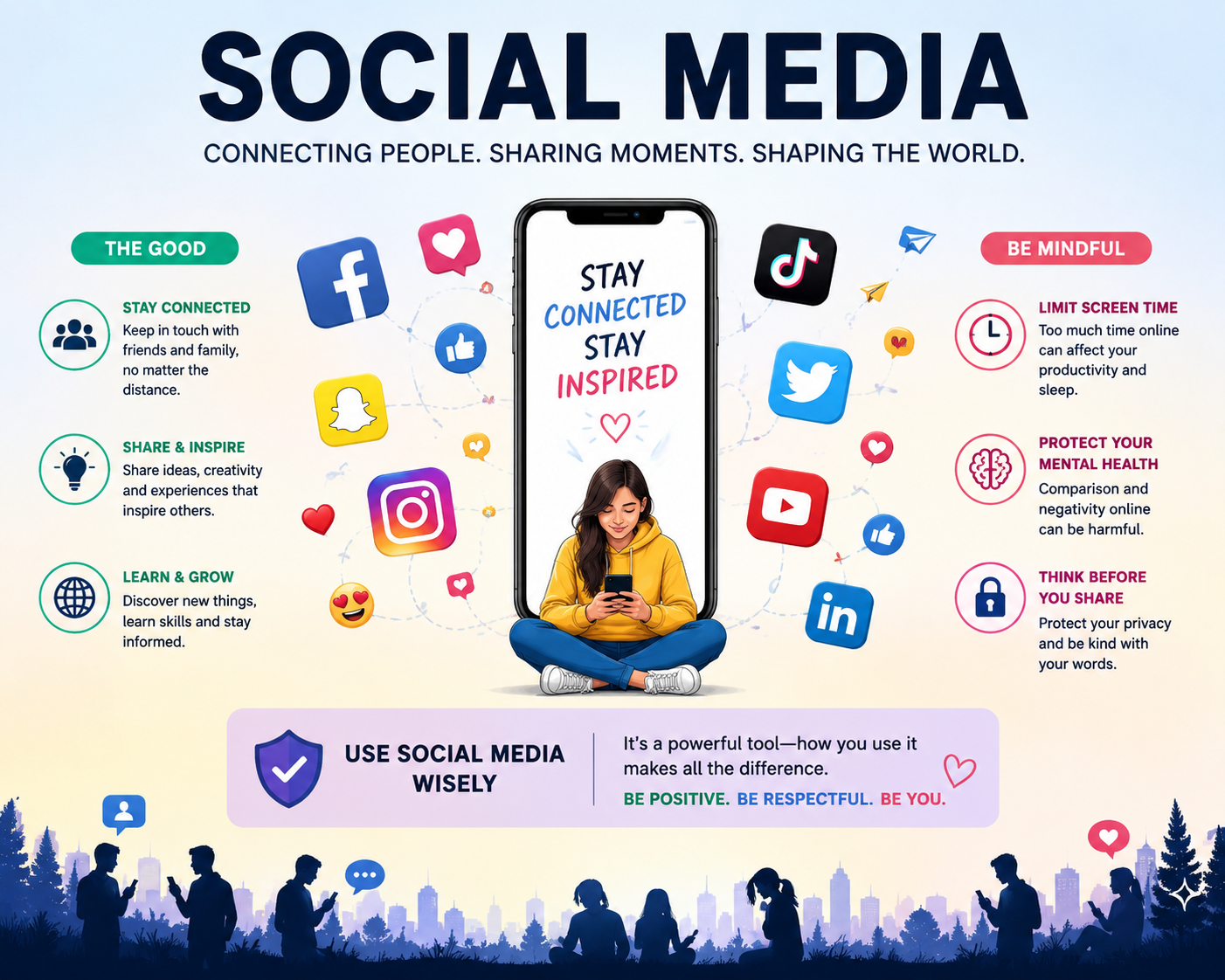
This guide is not about quick hacks or fleeting viral trends. It is a fundamental blueprint designed to build a moat around your digital business. We will break this down into three crucial phases: Audience Growth, Advanced Search Engine Optimization (SEO), and the Monetization Stack. Grab a notebook, because we are going deep.
Part 1: Mastering Audience Growth and Follower Retention
Growing followers is not about going viral once; it is about consistent, compounding effort. The modern algorithm does not just reward clicks; it rewards retention, deep engagement, and absolute consistency. You must transform casual scrollers into a dedicated, loyal community.
1. Defining Your Unique Value Proposition (UVP)
Before you ask someone to click “Subscribe” or “Follow,” you must answer their internal, subconscious question: “What is in it for me?” Your Unique Value Proposition is the specific, undeniable reason someone should consume your content over the millions of other options available to them.
If you are running a platform focused on electronic resale, your UVP might be providing the most brutally honest, deeply technical reviews that save consumers money. If you are producing children’s media, your UVP is providing safe, highly engaging educational entertainment that gives busy parents peace of mind. Identify the core problem your target demographic faces, articulate your solution in a single, punchy sentence, and display this clearly across your website bio, channel art, and social media profiles.
2. The Psychology of the Modern Follow
In the early days of social media, people followed accounts simply because they liked a single photo. Today, following is a highly guarded action. Users curate their feeds aggressively. To earn a follow, you must establish trust. You do this through the “Jab, Jab, Jab, Right Hook” methodology—providing massive, free value repeatedly before ever asking for anything in return. Teach them a skill, solve a micro-problem, or entertain them profoundly. Once you establish that your brand consistently delivers quality, the follow becomes an automatic reflex.
3. Platform-Specific Algorithmic Strategies
Every platform utilizes a distinct mechanism for content distribution. You cannot post the exact same format everywhere and expect identical results.
-
YouTube: The 2026 YouTube algorithm heavily prioritizes Click-Through Rate (CTR) and Average View Duration (AVD). Your thumbnails are your most critical asset. A bright, high-contrast thumbnail with a clear focal point and minimal text will consistently outperform a cluttered graphic. Furthermore, your first 30 seconds must ruthlessly hook the viewer by directly addressing the title’s promise.
-
Short-Form Video (Reels/Shorts): Short-form content dominates discoverability. The key metric here is “loopability” and shareability. Create dynamic, fast-paced content that users inherently want to send to a friend via direct message.
-
Text and Micro-Blogging: Platforms heavily index threads and long-form written value. Share your raw data, your failures, and your step-by-step processes.
4. The Power of Omnichannel Presence
Do not rely on a single point of failure. If one platform changes its algorithm overnight, your business could be wiped out if you are not diversified. If you create a highly researched 10-minute video, that is not just one piece of content. It is a foundational asset. You must slice that video into three to five short-form clips, transcribe the core lessons into a comprehensive blog post, and summarize the key takeaways for an email newsletter. This creates an inescapable web of content that surrounds your target audience.
5. Community Engagement and Authentic Interaction
Followers are passive consumers; community members are active participants. To transition someone from a follower to a community member, you must tear down the digital wall. Reply to every single comment in the first 24 hours of publishing a post. Host live Q&A sessions to answer questions in real-time. Create a dedicated space where your most loyal fans can interact with each other, not just with you. When your audience feels seen and heard, they become your most vicious defenders and your most powerful marketing engine.
6. Strategic Collaborations and The Network Effect
Find creators and brands that share your target demographic but are not direct competitors. If you specialize in hardware reviews, collaborate with a creator who specializes in software tutorials. If you are promoting a cultural event or award ceremony, partner with local influencers and community leaders who have the exact audience you need to sell tickets or secure nominations. Joint live streams, guest posting on authoritative blogs, and podcast interviews expose your brand to warm audiences that already trust the person endorsing you.
7. Email Marketing: Transitioning from Rented to Owned
Never forget that you do not own your social media followers; the platform does. Your ultimate growth goal must be transitioning that rented audience into an owned audience via an email list. Offer a high-value lead magnet—a free checklist, an exclusive video tutorial, or a discount code—in exchange for their email address. An email list guarantees you direct access to your audience, entirely free from algorithmic interference.
Part 2: Dominating Search Engine Optimization (SEO) in 2026
Search Engine Optimization has evolved drastically. With the widespread integration of AI search summaries, ranking requires far more than just keyword stuffing. You must demonstrate Experience, Expertise, Authoritativeness, and Trustworthiness (E-E-A-T) to both the algorithms and the human readers.
1. Understanding the AI-First Search Landscape
In 2026, search engines are utilizing Large Language Models to synthesize direct answers at the top of the search results page. To appear as a cited source in these AI-generated summaries, your content must be structured logically and parsed easily by machines. Use clear, highly descriptive headings. Provide a concise, bulleted summary at the very top of your post. Answer questions directly and plainly before elaborating on the nuance. If the search query is a specific question, provide the exact answer in the first paragraph.
2. Semantic Keyword Research and Search Intent
Forget generic, high-competition, single-word keywords. You need to relentlessly focus on long-tail keywords and semantic search intent. You must understand why the user is typing that phrase into the search bar.
-
Informational Intent: The user wants to learn (e.g., “How to optimize thumbnails for kids content”). Your content should be deeply educational and step-by-step.
-
Commercial Intent: The user is researching before a purchase (e.g., “Best budget microphones for podcasting”). Ensure you provide detailed comparison tables, pros and cons, and definitive verdicts.
-
Transactional Intent: The user is ready to pull out their credit card. Your page must be optimized for speed, trust, and frictionless checkout.
3. The Topic Cluster Architecture
Instead of publishing random, disconnected blog posts, organize your website into strategic Content Hubs. Start with a Pillar Page—a massive, comprehensive guide covering a broad topic entirely. Then, create multiple Cluster Pages—smaller, highly specific articles that dive deep into subtopics. Crucially, every cluster page must link back to the pillar page, and the pillar page must link out to all the cluster pages. This creates a tight semantic web that signals massive topical authority to search engines.
4. Technical SEO: The Non-Negotiable Foundation
If your website is technically flawed, the greatest content in the world will not save it. You must master your Core Web Vitals. Google measures Largest Contentful Paint (LCP), First Input Delay (FID), and Cumulative Layout Shift (CLS). Your site must load in under 2.5 seconds. Compress your images, leverage browser caching, and utilize a high-speed Content Delivery Network (CDN). Furthermore, with the vast majority of search traffic originating from mobile devices, your site must be flawlessly responsive. Ensure buttons are easily tappable and text is legible without zooming.
5. Schema Markup and Structured Data
Structured data is the language of search engines. By implementing JSON-LD schema markup, you are explicitly telling the search engine exactly what your content represents. If you are reviewing a product, use Product Schema to display star ratings and prices directly in the search results. If you are hosting an event, use Event Schema to display dates, times, and ticket information. This is the key to unlocking Featured Snippets and dominating the top of the search page.
6. Advanced Link-Building and Digital PR
Backlinks remain one of the most powerful ranking factors, but the focus has shifted entirely from quantity to absolute quality. One link from a highly authoritative industry publication is worth a thousand spam links.
-
The Skyscraper Technique: Find content in your niche that has acquired a massive amount of backlinks. Create something significantly better, more updated, and more beautifully designed. Then, reach out to the website owners linking to the old, outdated content and suggest they link to your superior resource instead.
-
Original Data and PR: Publish original research, conduct industry surveys, or compile unique data that journalists and other bloggers actively want to cite in their own work.
7. Content Auditing and Pruning
SEO is not just about publishing new content; it is about maintaining the health of your existing library. Regularly audit your website. If a blog post has not received traffic in 12 months, you have three choices: update it with fresh 2026 data, merge it into a more successful post and redirect the URL, or delete it entirely. Search engines penalize sites carrying too much “dead weight.” Keep your index lean and highly relevant.
Part 3: Proven Strategies to Generate Income
Traffic and followers are vanity metrics if you do not have a robust system to monetize them. You must build a comprehensive “monetization stack”—multiple, diversified streams of income that protect your business from sudden algorithm changes, market downturns, or platform policy shifts. Do not rely on a single source of revenue.
1. Affiliate Marketing
Affiliate marketing is often the most lucrative and immediate starting point for any digital platform, particularly in product-heavy niches. You promote a product or service, and you earn a percentage commission on every single sale generated through your unique tracking link.
-
The Amazon Ecosystem: If you are running a storefront or blog focused on physical goods (like electronic components, cameras, or tech accessories), the Amazon Associates program is a staple. While commission rates are generally lower, the conversion rates are astronomically high because consumers inherently trust Amazon’s checkout process.
-
High-Ticket Networks: Do not stop at Amazon. Explore networks like ShareASale, CJ Affiliate, or establish direct partnerships with boutique brands. Software and digital tools often offer recurring commissions, meaning you get paid every single month the user remains subscribed.
-
The Golden Rule of Affiliates: Your reputation is your currency. Only ever recommend products you have genuinely tested, utilized, and thoroughly researched. Always disclose your affiliate links clearly to comply with legal guidelines and to maintain total transparency with your audience.
2. Premium Display Advertising
Once your website or blog hits significant traffic volumes, premium display advertising becomes a highly passive and lucrative revenue stream.
-
While Google AdSense is accessible for beginners, the payouts are relatively meager. Your goal should be to scale your traffic to qualify for premium ad management networks like Mediavine, Raptive, or Ezoic.
-
These networks utilize advanced AI to optimize ad placements, dramatically increasing your RPM (Revenue Per Mille, or how much you earn per 1,000 visitors). Niches rooted in finance, business, and high-end technology will naturally command significantly higher RPMs than general lifestyle or entertainment content.
3. Creating and Selling Digital Products
When you sell third-party products, you get a fraction of the profit. When you sell your own digital products, you keep 100% of the margins. Furthermore, digital products are infinitely scalable—it costs the exact same amount of time to deliver the product to one customer as it does to deliver it to ten thousand customers.
-
E-books and Comprehensive Guides: Package your deepest expertise into a polished, actionable PDF. If you have mastered a highly technical skill, condense that knowledge into a premium blueprint.
-
Online Courses: Video-based courses remain one of the most profitable digital assets in existence. If you have successfully built a brand in a specific niche, create a step-by-step curriculum teaching others exactly how to replicate your results.
-
Templates and Workflows: People pay for convenience. Sell Notion templates, video editing presets, spreadsheet trackers, or graphic design assets that save your audience hours of manual labor.
4. Sponsorships and Direct Brand Deals
Brands allocate massive budgets to influencer marketing and direct sponsorships because traditional advertising is losing its effectiveness. They want access to the highly engaged, trusting audience you have cultivated.
-
You do not need millions of followers to secure brand deals. Micro-influencers (creators with 10k – 50k highly targeted followers) are incredibly sought after because their audiences possess a much higher trust-to-follower ratio.
-
The Media Kit: Build a professional, one-page PDF detailing your audience demographics, monthly traffic statistics, engagement rates, and case studies of past successful campaigns.
-
Proactive Pitching: Do not sit back and wait for brands to discover you. Identify brands that are actively sponsoring other creators in your specific niche. Send them a highly tailored pitch highlighting exactly how integrating their product into your content will drive a positive return on their investment.
5. Memberships and Subscription Models
Transform your most dedicated followers into reliable, recurring monthly revenue by gating your most valuable content.
-
Platforms like Patreon, Substack, or custom WordPress membership portals allow you to offer exclusive perks. This could include early access to videos, private, ad-free podcast episodes, direct 1-on-1 Q&A access, or entry into a private community forum.
-
If you manage real-world operations—such as organizing industry award ceremonies or networking events—you can leverage your digital presence to sell premium tiers of access, VIP ticketing, or exclusive vendor positioning.
6. Offering High-Ticket Consulting and Services
If you have successfully implemented SEO, digital marketing, or audience growth strategies for your own brand, you inherently possess a highly monetizable skill set.
-
Offer premium consulting services to other businesses that are struggling to grasp the digital landscape.
-
Because consulting requires your direct time, it is not infinitely scalable like a digital product. Therefore, you must charge premium, high-ticket rates. Use your blog, your social media presence, and your YouTube channel as the ultimate portfolio to demonstrate your undeniable expertise to prospective high-end clients.
7. Licensing and Content Syndication
If you are producing high-quality original assets—whether that is stunning photography, custom background music, b-roll video footage, or even proprietary software scripts—you can license these assets to other creators and agencies. Once listed on reputable stock platforms or digital marketplaces, your assets can generate passive royalty income for years without any additional effort on your part.
8. The Ultimate End Game: Flipping Digital Assets
As you master the systems outlined in this guide—growing an audience, optimizing for search, and building a diversified monetization stack—you will realize that a website or a YouTube channel is a highly liquid digital asset.
-
Investors actively purchase profitable digital properties. Websites are typically valued at a multiple of 30x to 40x their monthly net profit.
-
If you build a niche blog that consistently generates revenue through a mix of display ads and affiliate links, you can eventually sell that exact platform on brokerages like Empire Flippers or Flippa for a massive, life-changing lump sum payout, allowing you to take that capital and begin the process all over again on an even larger scale.
Building a profitable digital presence in 2026 is a marathon of strategic execution. Start by defining your absolute value, relentlessly optimize your content for both the human reader and the algorithmic machine, and systematically layer your income streams. The creators and business owners who win are the ones who refuse to rely on luck, choosing instead to rely on data, consistency, and an unwavering commitment to serving their audience